
Reconnecting an industrial landscape with its ecological and community life
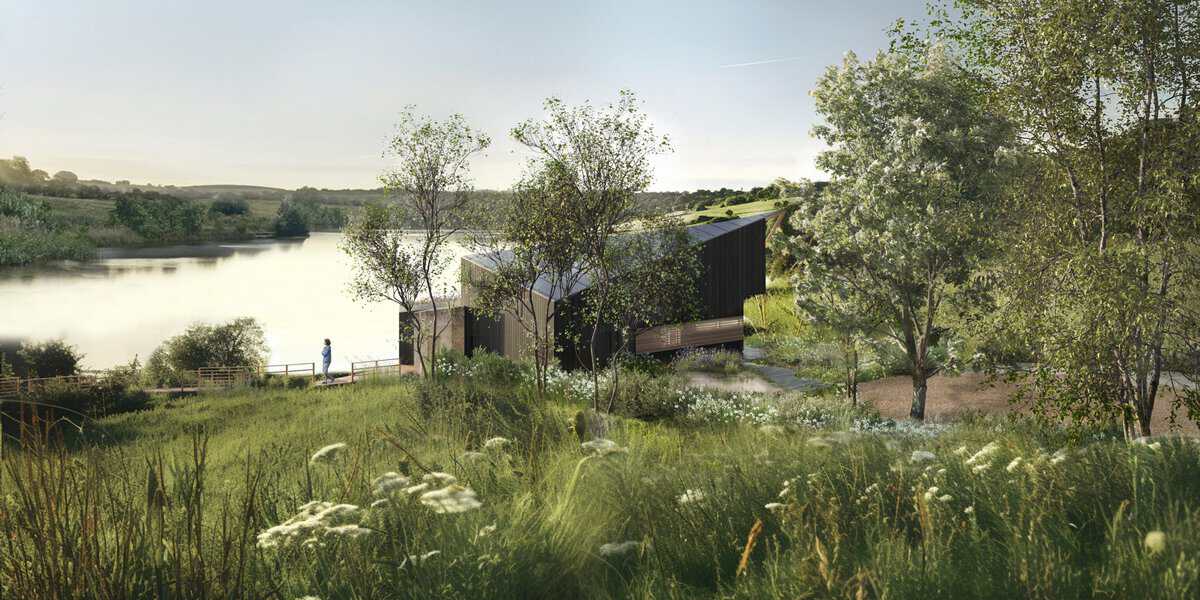
Pilsworth Lake lies ten miles north of Manchester, where the urban edge meets the Pennine moorland. Its landscape records two very different periods of change. Glacial melt first carved the valleys and watercourses; centuries later, these soft-water streams helped power the region’s early cotton industry.
The lake was excavated in the early nineteenth century to serve Pilsworth Clough Mill. After the mill became obsolete, the site was gradually reclaimed by nature, although modern industrial development continued to spread around its edges.
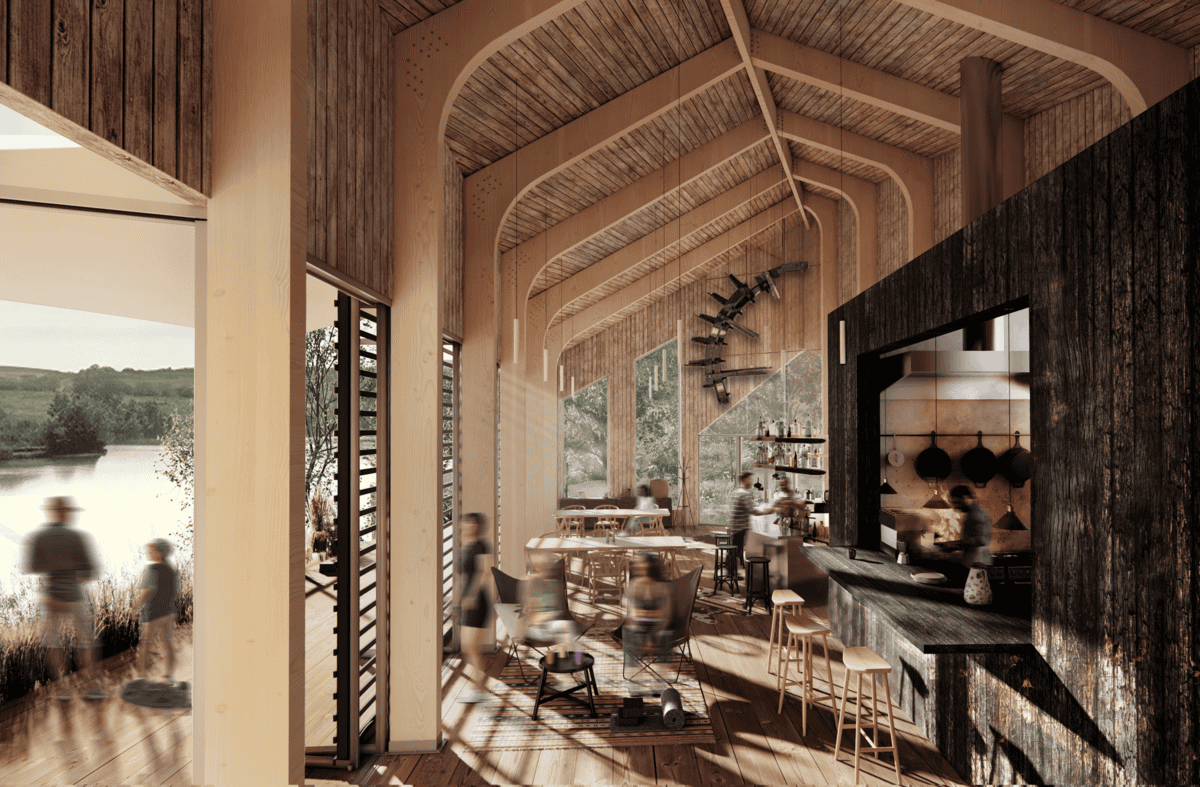
The proposal works with this process of recovery. Existing activities, including angling, are retained alongside new walking routes, nature-watching areas and places to gather. Walkways, viewing platforms, hides, outdoor classrooms and small performance spaces create new ways to experience the water and landscape without overwhelming them.
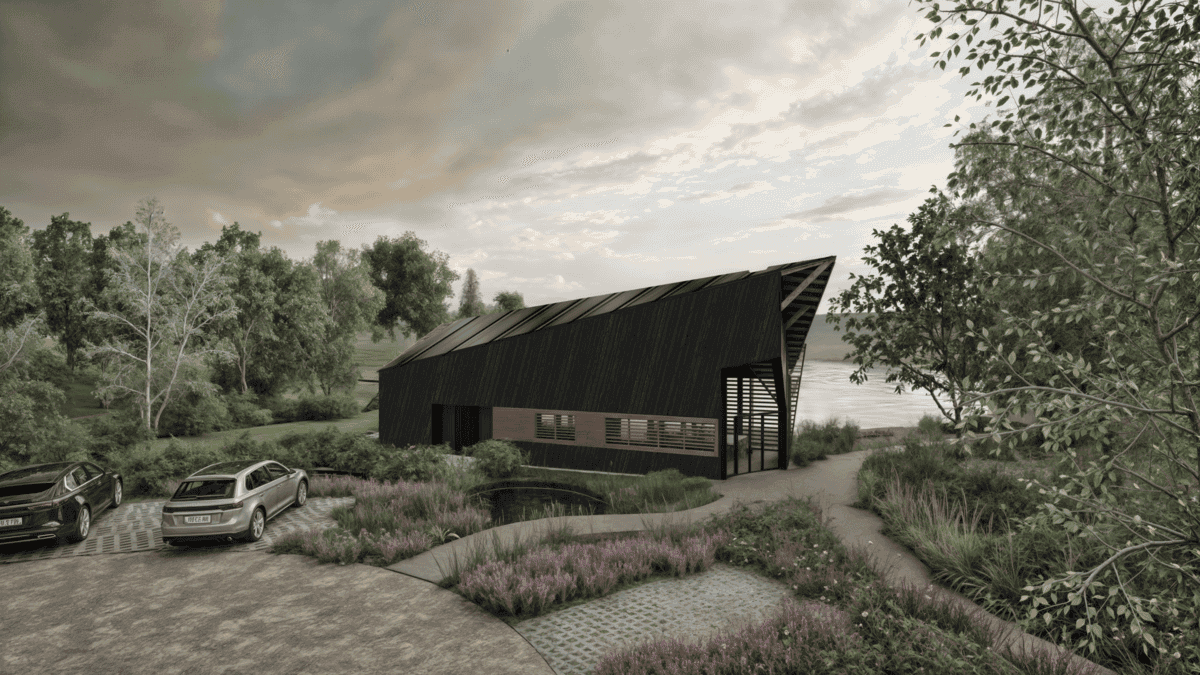
A café, shop, visitor centre and boathouse support wider community use. These buildings are designed using low-carbon materials and construction methods, while rain gardens manage surface-water runoff and create additional habitats.
The landscape strategy targets a biodiversity increase of more than ten per cent through natural regeneration and the reintroduction of native species. By revealing the connections between geology, industry and ecology, Pilsworth Lake transforms a former industrial site into a shared landscape shaped by recreation, learning and long-term stewardship. Pilsworth Lake was shortlisted in the Future Project Civic category at the 2024 World Architecture Festival (WAF).